Foam Wrap or Bubble Wrap: Types, Uses and Key Differences Explained
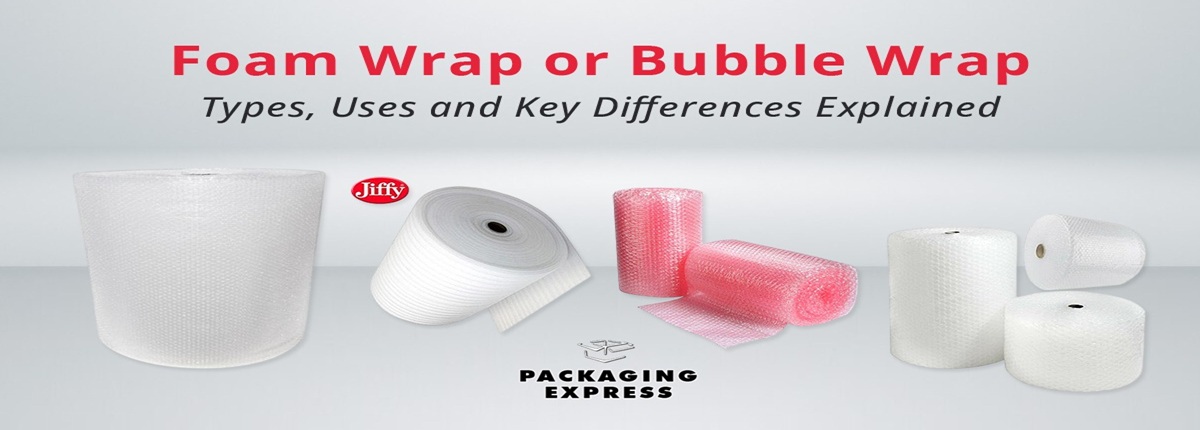
If you have ever stood in a packing area wondering whether to reach for foam rolls or bubble wrap in rolls, you are not alone. They both look like simple protective materials, but they behave quite differently once wrapped around a product. Foam gives you a soft, smooth layer against the surface, while bubble wrap provides small air pockets that absorb some of the force when a parcel gets knocked around. The better choice really comes down to what you are packing.
Use foam when surface protection is your main concern. Choose bubble wrap when impact protection matters more. If an item is particularly delicate, using both can give it an extra layer of protection.
What Is Foam Wrap and Where Is It Used?
Foam wrap is a thin, flexible polyethene material with a smooth surface. It doesn't have the raised bubbles you see on traditional protective wrap, which makes it particularly useful when you don't want the packaging itself rubbing against a product.
Available thicknesses include 1mm, 1.5mm, 2.5mm, and 4mm, so you can choose something fairly light for everyday packing or go thicker when the product needs more cushioning.
Use of Foam Wrap
-
Protecting polished furniture from scratches and surface marks
-
Wrapping glassware, ceramics and other delicate finishes
-
Separating products inside boxes so they do not rub together
-
Cushioning televisions, electronics and other sensitive goods
Types of Foam Wrap
The biggest difference between the options is thickness. A thin sheet is handy when you mainly need a protective barrier, while thicker foam gives you more padding. Roll widths also vary, which is useful when you regularly pack products of different sizes.
For example, a furniture company could use wider foam for tabletops and cabinets, while a small retailer may find narrower rolls easier to handle around individual products.
What Is Bubble Wrap and Where Is It Used?
Bubble wrap in rolls has air-filled pockets that cushion a product. When something gets bumped during handling, those pockets help absorb some of the impact rather than letting it all reach the item.
There is more choice here than many people realise. Small bubbles are around 10mm, while large bubbles are around 20mm. We also offer mini rolls, anti-static options, and biodegradable small bubble wrap.
Use of Bubble Wrap
-
Protecting glass, porcelain and ceramics during delivery
-
Cushioning furniture and larger products in transit
-
Packing online orders where lightweight protection is useful
-
Protecting electrical equipment with an anti-static option
Types Of Bubble Wrap
Small bubbles are useful for everyday fragile products where you want a close layer of cushioning. Large bubbles suit bigger items where extra air cushioning helps. Anti-static bubble wrap is designed with electrical products in mind, while biodegradable versions offer another option for businesses focused on the materials they use.
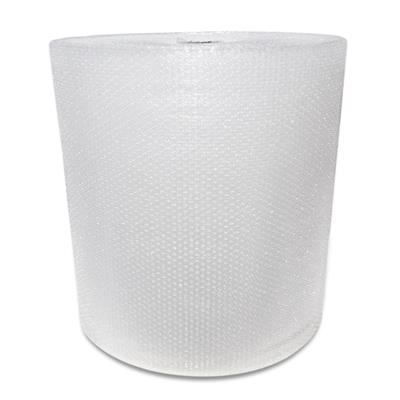
If you regularly buy bubble wrap rolls, it is worth keeping more than one type available. A one-size-fits-all approach doesn't always make sense when your parcels range from small ceramics to bulky products.
What Are the Main Differences Between Foam and Bubble Wrap?
At first glance, the choice might seem purely down to preference. In practice, several differences are worth considering.
|
Feature |
Foam Wrap |
Bubble Wrap |
|
Protection style |
Soft surface cushioning |
Impact cushioning |
|
Surface |
Smooth |
Raised air pockets |
|
Scratch protection |
Excellent |
Good |
|
Shock absorption |
Good |
Excellent |
|
Thickness choices |
1mm to 4mm |
Small and large bubbles |
|
Anti-static option |
Not the standard option |
Available |
|
Flexibility |
Very flexible |
Flexible and easy to mould |
|
Best for |
Surfaces and delicate finishes |
Fragile goods and impact protection |
|
Storage |
Rolls take relatively little space |
Rolls are lightweight and bulky |
|
Reusability |
Can be reused if clean and undamaged |
Can be reused while bubbles remain intact |
|
Packing speed |
Quick to cut and wrap |
Quick to cut and wrap |
|
Typical applications |
Furniture, glass, electronics |
Retail, e-commerce, furniture and fragile goods |
Here is a practical example. Imagine a company sending a freshly polished wooden cabinet to a customer. Foam makes sense directly against the finish because nothing rough or raised rubs against it. Now picture a glass ornament travelling through a courier network. Bubble wrap gives that item a layer designed to deal with knocks and vibration.
For particularly valuable goods, nothing is stopping you from combining the two. Foam can sit directly against the product, with bubble wrap around it for additional cushioning.
What Sizes Are Available for Foam Wrap?
Choosing the right roll width can make a surprisingly big difference. If the material is too narrow, you may need several overlapping pieces. If it is much wider than necessary, you could end up with avoidable waste.
|
Thickness |
Available Widths |
Roll Length |
|
1mm |
500, 750, 1500mm |
300M |
|
1.5mm |
500, 750, 1500mm |
200M |
|
2.5mm |
500, 750, 1500mm |
120M |
|
4mm |
500, 750, 1500mm |
75M |
The shorter roll length on thicker material makes sense because you are getting more material per metre. Smaller foam options also suit businesses that don't need full industrial-sized rolls.
What Sizes Are Available for Bubble Wrap?
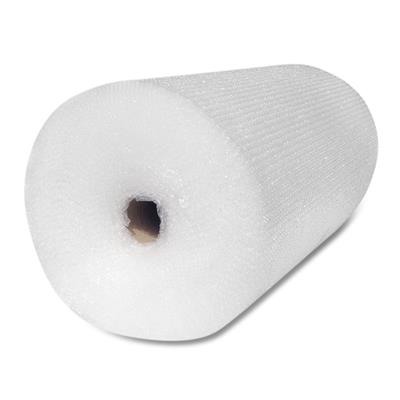
Bubble wrap comes in several widths so that you can match the choice to the size of the product being packed. A smaller roll is convenient for individual orders, while wider rolls can save time when you are wrapping large items.
|
Type |
Available Widths |
Roll Length |
|
Small bubble |
300–1500mm |
100M |
|
Large bubble |
300–1500mm |
50M |
|
Anti-static |
300–1500mm |
50–100M |
|
Biodegradable small bubble |
400–1500mm |
75M |
Which One Makes More Sense for Your Products?
You don't need to pick a winner for every parcel. Look at the product first. If its finish could easily be marked, foam is a sensible starting point. If it is fragile and likely to face knocks, bubble wrap may be the better choice.
A furniture business, for instance, may use foam against painted or polished surfaces and then add stronger outer protection. An online gift shop sending ceramics might reach for small bubbles instead. An electronics supplier should also consider whether it needs anti-static protection.
The best packaging materials aren't necessarily the thickest. They are the ones that suit the product, the journey, and how your team actually packs orders.
Conclusion
Foam roll and bubble wrap in rolls both have a place in everyday packaging, but they aren't interchangeable in every situation. Foam is particularly useful when you want gentle, scratch-resistant surface protection, while bubble wrap is a reliable choice when absorbing knocks is the bigger concern. Before choosing, consider the product, its finish, its weight, and how it will be handled. Once you match the material to the job, packing becomes much simpler.
FAQs
Is foam wrap better than bubble wrap?
It depends on the product. Foam is generally better for surface protection, while bubble wrap offers stronger impact cushioning.
Is small bubble wrap good for glass?
Yes. Small bubbles are commonly used to cushion glassware, ceramics and other relatively delicate products.
What is large bubble wrap used for?
It is useful for larger items that need more cushioning, including furniture and bulky fragile products.
Can foam and bubble wrap be used together?
Yes. Foam can protect the surface while bubble wrap provides an additional layer against knocks.
Which material should I choose for electronics?
Foam can provide cushioning, but anti-static bubble wrap is worth considering when protecting sensitive electrical components.